Quantum Computing Unleashed: What It Means for Privacy, Security & Everyday Tech

Quantum computing sounds like a sci-fi buzzword, but it’s closer to your feed than you think. Instead of regular bits that are either a one or a zero, quantum bits—or qubits—can be both at the same time. That means quantum computers don’t just crunch numbers faster. But they flip the script on how problems get solved. Scientists aren’t just hyping this tech—major companies like IBM and Google are already racing ahead with prototypes. Now, let's learn more about what Quantum computing means for privacy, security, and our everyday tech.
Privacy on the Quantum Edge
Privacy might be the first big shake-up. Classic encryption, the kind protecting your texts and bank accounts, could get cracked by quantum machines like snapping a breadstick. For context, what takes a supercomputer thousands of years might take a future quantum system minutes. Governments and big tech firms are already testing quantum-proof security methods.
But it’s not all doomscroll vibes. Quantum computing could also give privacy a glow-up by creating new types of unbreakable encryption. Imagine a lock that changes shape every time someone tries to pick it—that’s the promise researchers are chasing. Your data might end up more secure, not less, if the tech lands right.
Rethinking Cybersecurity
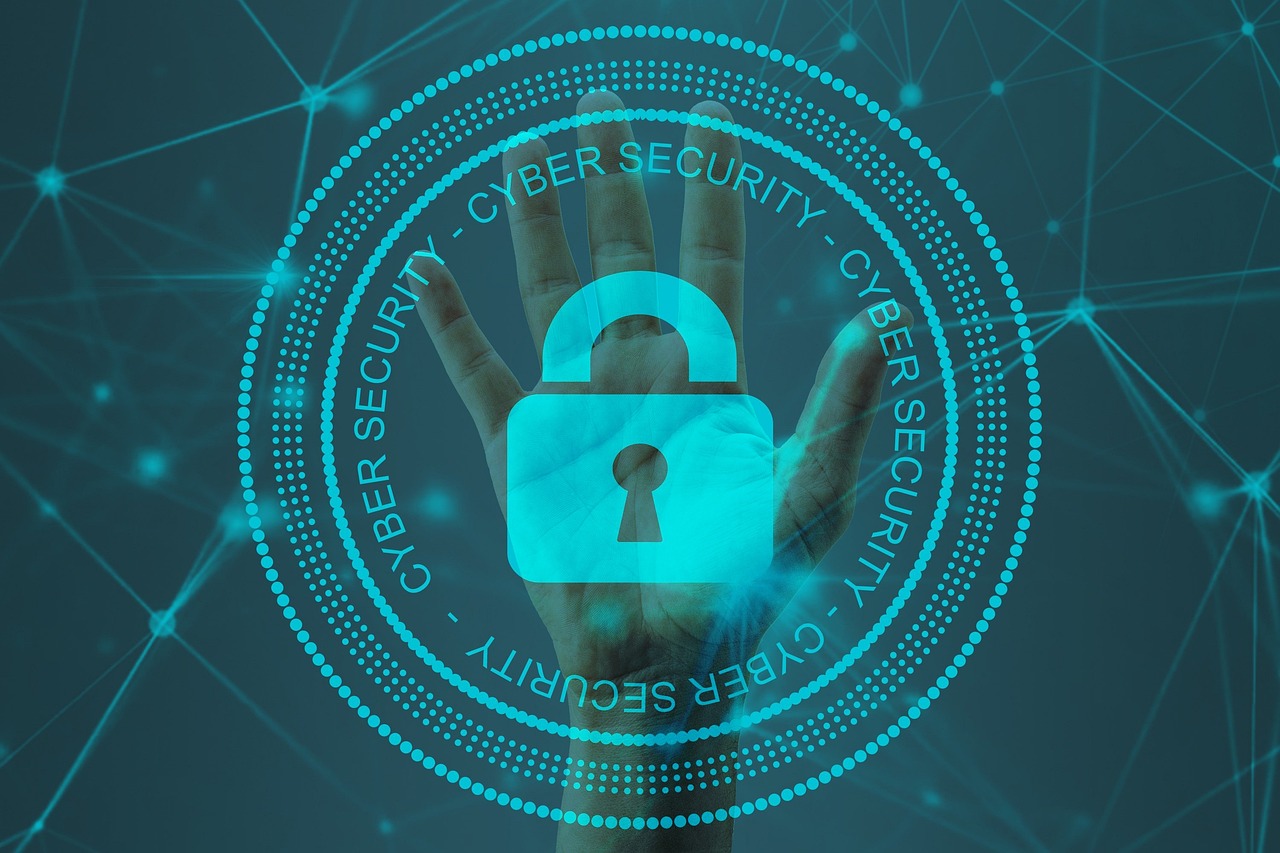
Hackers aren’t the only ones watching quantum breakthroughs. Cybersecurity experts know the arms race is shifting gears. Companies are working on “post-quantum cryptography,” basically defense systems built for a quantum-powered future. Here’s the thing: updating global security systems takes time. Some experts say we have a decade, maybe less, before the real test hits. Think of it like changing all the locks in a city while the locksmiths are still designing the keys. That’s the challenge the tech world is sprinting to solve.
Everyday Tech Gets a Boost
It’s not just about spy-level security. Quantum computing could eventually supercharge the apps, devices, and systems we use daily. Picture AI that learns patterns faster, weather forecasts that nail it down to your block, or delivery services that never lose your package. That’s the potential we’re talking about. And no, your phone won’t turn into a mini-quantum computer anytime soon. These machines need labs colder than Antarctica and gear the size of rooms. But the ripple effects—smarter algorithms, sharper predictions, stronger AI—will absolutely reach the tech in your backpack or pocket.
Should We Be Hyped or Nervous?
Here’s the catch: quantum computing is still in its awkward teenage years. The hype is real, but the hardware is messy, error-prone, and crazy expensive. Most experts agree it’ll take years before everyday people feel the impact directly. That said, ignoring it isn’t an option. The internet didn’t wait for everyone to get ready, and neither will quantum tech. The real play is balance—get excited, but don’t toss your laptop in the recycling bin just yet. After all, quantum computing isn’t just a faster computer—it’s a total rethink of how technology works.
Quantum computing could break the locks we rely on while also building stronger ones, boost the gadgets we already love, and create systems that feel straight out of science fiction. The question isn’t if it will change things, but how fast the change hits our everyday lives. For now, consider this the early trailer of a blockbuster we’ll all be watching.…

 The Dark Web is the digital place where illegal activities take place. You cannot access those webs from your regular browsers. And even if you can, you have to be ready to be tracked down by the authority for suspicious conducts. Plenty of child pornography materials, drug sales, and stolen identities are on the dark web.
 First, every time you put your personal info online, you have to make sure that your device is equipped with a proper antimalware and antispyware. Paid antiviruses often have those features.