Quantum Computing Unleashed: What It Means for Privacy, Security & Everyday Tech

Quantum computing sounds like a sci-fi buzzword, but it’s closer to your feed than you think. Instead of regular bits that are either a one or a zero, quantum bits—or qubits—can be both at the same time. That means quantum computers don’t just crunch numbers faster. But they flip the script on how problems get solved. Scientists aren’t just hyping this tech—major companies like IBM and Google are already racing ahead with prototypes. Now, let's learn more about what Quantum computing means for privacy, security, and our everyday tech.
Privacy on the Quantum Edge
Privacy might be the first big shake-up. Classic encryption, the kind protecting your texts and bank accounts, could get cracked by quantum machines like snapping a breadstick. For context, what takes a supercomputer thousands of years might take a future quantum system minutes. Governments and big tech firms are already testing quantum-proof security methods.
But it’s not all doomscroll vibes. Quantum computing could also give privacy a glow-up by creating new types of unbreakable encryption. Imagine a lock that changes shape every time someone tries to pick it—that’s the promise researchers are chasing. Your data might end up more secure, not less, if the tech lands right.
Rethinking Cybersecurity
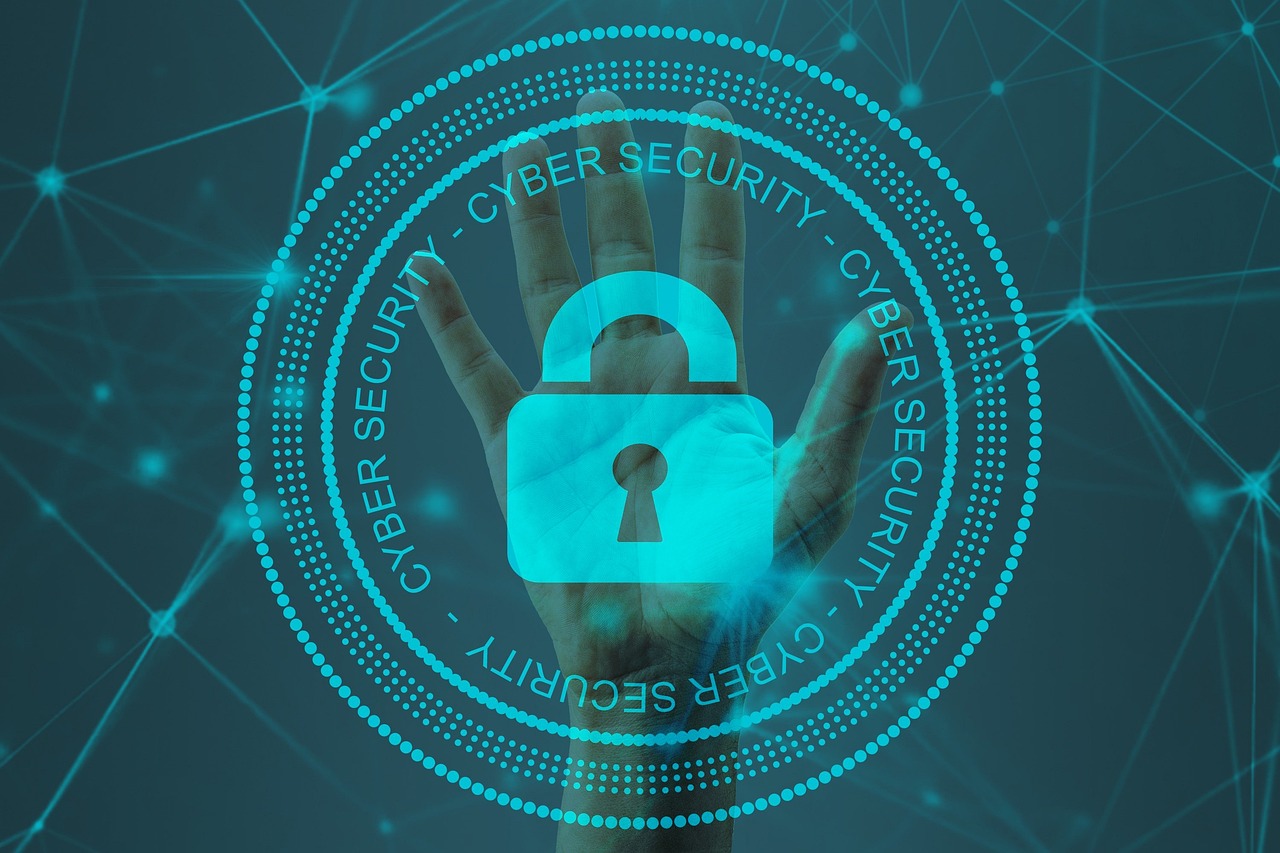
Hackers aren’t the only ones watching quantum breakthroughs. Cybersecurity experts know the arms race is shifting gears. Companies are working on “post-quantum cryptography,” basically defense systems built for a quantum-powered future. Here’s the thing: updating global security systems takes time. Some experts say we have a decade, maybe less, before the real test hits. Think of it like changing all the locks in a city while the locksmiths are still designing the keys. That’s the challenge the tech world is sprinting to solve.
Everyday Tech Gets a Boost
It’s not just about spy-level security. Quantum computing could eventually supercharge the apps, devices, and systems we use daily. Picture AI that learns patterns faster, weather forecasts that nail it down to your block, or delivery services that never lose your package. That’s the potential we’re talking about. And no, your phone won’t turn into a mini-quantum computer anytime soon. These machines need labs colder than Antarctica and gear the size of rooms. But the ripple effects—smarter algorithms, sharper predictions, stronger AI—will absolutely reach the tech in your backpack or pocket.
Should We Be Hyped or Nervous?
Here’s the catch: quantum computing is still in its awkward teenage years. The hype is real, but the hardware is messy, error-prone, and crazy expensive. Most experts agree it’ll take years before everyday people feel the impact directly. That said, ignoring it isn’t an option. The internet didn’t wait for everyone to get ready, and neither will quantum tech. The real play is balance—get excited, but don’t toss your laptop in the recycling bin just yet. After all, quantum computing isn’t just a faster computer—it’s a total rethink of how technology works.
Quantum computing could break the locks we rely on while also building stronger ones, boost the gadgets we already love, and create systems that feel straight out of science fiction. The question isn’t if it will change things, but how fast the change hits our everyday lives. For now, consider this the early trailer of a blockbuster we’ll all be watching.…

 Sustainability in software development refers to creating and maintaining digital solutions while minimizing environmental impact. This includes reducing energy consumption, optimizing code for efficiency, and using renewable energy sources for operations. Sustainable practices also promote longevity in software systems, ensuring they remain relevant and adaptable without frequent overhauls.
 While the benefits are clear, adopting sustainable practices isn’t without challenges. Transitioning to renewable energy sources or optimizing legacy systems requires significant investment and effort. Agencies must also balance sustainability with performance, ensuring that greener solutions do not compromise user satisfaction. Another challenge is awareness.






 One of the biggest advantages of switching to an IPTV provider is its flexibility and convenience. With traditional cable TV, you're often stuck with a set schedule for your favorite shows, which can be frustrating if you have a busy or unpredictable schedule. IPTV solves this problem by allowing you to watch your favorite shows on-demand whenever convenient. This means that it's entirely up to you whether you want to catch up on missed episodes during your lunch break or binge-watch an entire season over the weekend.
 CCTV systems are a great visual crime deterrent. If potential burglars or intruders see that your property has a CCTV system, they will most likely skip your home. This is because they know that there is a higher chance of them being caught on camera and identified. In addition, having a visible CCTV system will make your home a less appealing target for criminals as they will be aware that their actions are more likely to be caught on camera.
 Another great benefit of CCTV systems is that they allow you to monitor your home remotely. This is especially useful if you are going away on holiday or if you work long hours and cannot always be at home. With a CCTV system, you can check in at your home anytime and ensure everything is safe and secure. You can also use your CCTV system to monitor children or elderly relatives who may be home alone.
 CCTV cameras are built for security purposes; thus, they don't require much maintenance. All you need to do is wipe them clean from time to time, and that's pretty much it. They are also durable, so you don't have to worry about them breaking easily. So, if you're still on the fence about home security cameras, we hope this article has helped you decide to get a CCTV.
 When the pandemic first hit, many people were in a panic. Supermarkets would be packed with people stocking up emergency supplies. Others were skeptical about how real the virus is. Technology came in to help public health departments communicate with the public. For example, the World Health Organization regularly updates its website and social media messages on what everyone can do to protect themselves from the virus. These timely and accurate communications through the internet have proved reliable in managing the COVID-19 pandemic.

 As technology develops, your long-term business goals should be the driving factor in hiring a digital marketing company. As technology advances, the number of agencies that work with you and the quality of their work should also be driving factors. Whether you're looking for a new marketing strategy, a brand new product, or just a fresh start, hiring a digital marketing company is one of the smartest decisions you can make to expand your brand. Consider what it takes to hire a digital marketing company and help determine the professional relationships that could benefit the brand and your professional relationship.

 A company should have executive meetings with its department heads on a regular basis. This is to monitor performances of each division of the company and to be able to lay on the table probable problems that can affect productivity.
 As a manager, you will feel less accomplished if you do not receive feedback on your activities. The VoIP is a communication tool that gives you reports on calls you made which is instrumental in decision making. The comprehensive report serves as reminder for accomplished works and those that need to be attended with. With only a stable network support cincinnati, you can experience all these fantastic developments.